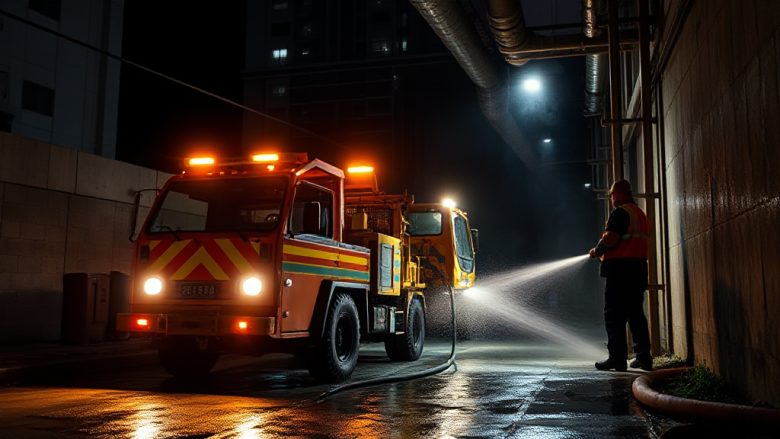
What You Need Ready Before Calling a Desentupidora in Iguape SP
Before you dial, have three things in hand: the exact address with a nearby landmark, a clear description of where the water or waste is backing up, and someone on site who can open the gate or access panel. That is the short version. The longer version is what I have learned from handling these tickets as a support technician, and it is the difference between a crew that arrives prepared and one that arrives, looks around, and leaves to fetch the right equipment.
Most people call a desentupidora Iguape SP in a panic, usually at night, usually with water already on the floor. I understand the panic. But the first two minutes of that call set the tone for the whole job, so it is worth slowing down just enough to give the dispatcher something useful.
Why the First Call Matters More Than the Arrival
In Iguape, the housing stock is a mix of older central buildings, newer condominiums, and plenty of properties close to water and vegetation. That mix means a blockage can be a simple grease clog in a kitchen line, tree roots in a lateral, or a full septic tank that has never been pumped. The dispatcher cannot tell which one it is from a vague complaint, and the crew cannot load the right machine until they know.
When you describe the symptom precisely, the team can decide whether a manual snake, a hydrojetting truck, or a vacuum tank is the right tool. That single decision often saves an hour and a second visit.
What to Have Ready Before the Technician Asks
Think of this as a short pre-flight checklist. You do not need technical knowledge, just accurate information.
- Full address and access notes — street, number, block, and whether the entrance is on a side street or behind a commercial frontage.
- The affected fixtures — which sink, toilet, shower, or floor drain is backing up, and whether more than one is affected.
- When it started — after heavy rain, after a specific use, or gradually over days.
- What you have already tried — chemical drain cleaner, a plunger, a rented snake. This matters because some chemicals make the job more hazardous.
- Access to the cleanout or inspection box — know where it is, or confirm that you can find it with the technician.
If you are a tenant, also have the landlord’s contact or the building manager’s name. Many jobs stall because nobody can authorize access to a shared line.
How the Job Usually Unfolds, Step by Step
The sequence below is the one I see most often on residential and small commercial calls. It is not a rigid script, but it is close to the standard order of operations.
- Phone triage. The dispatcher asks the questions above and flags the job as routine or emergency.
- Arrival and inspection. The technician checks the affected fixtures, locates the cleanout, and confirms whether the blockage is local or in the main line.
- Method selection. A hand snake for a short local clog; hydrojetting for grease, roots, or scale in a longer run; a vacuum truck for a full chamber or tank.
- Clearing and testing. The line is flushed and re-tested with water to confirm flow before the crew packs up.
- Cleanup and notes. The area is rinsed, and you should receive a short explanation of what was found and what to watch for.
If a company skips the testing step, do not sign off. A line that drains slowly after clearing will usually back up again within days.
What Changes When the Call Comes From a Condominium
A building call is a different animal. The technician needs to know whether the blockage is in a private unit branch or in the shared vertical stack, because the responsibility and the access route differ. In most condominiums, the síndico or building manager must authorize entry to common areas, and the crew may need to coordinate with a doorman or security desk.
Have the building’s hydraulic plan or at least the location of the main cleanout ready. If the building has a grease trap for a commercial kitchen, say so early. A desentupidora Iguape crew that knows about a grease trap will bring the right jetting pressure and plan for the extra waste volume.
Septic Tanks and Fossa Cleaning: The Part People Forget
Many properties in and around Iguape rely on septic systems rather than a municipal sewer connection. These systems need periodic pumping, and the warning signs are easy to ignore until they are not: slow drains throughout the house, gurgling toilets, or a patch of unusually green grass over the tank.
When you call about a suspected tank issue, mention the last time it was pumped if you know. A desentupidora em Iguape SP that handles fossa cleaning will schedule a vacuum truck rather than a jetting crew, which is a completely different dispatch. Getting this wrong on the first call is the most common reason for a wasted trip.
Costs, Trade-offs, and What Drives the Price
There is no single price for a drain job, and any company that quotes one over the phone without asking questions is guessing. The main cost drivers are the method, the access, and the time of day.
| Factor | Effect on price |
|---|---|
| Method (snake vs. hydrojetting vs. vacuum) | Hydrojetting and vacuum work cost more than a simple snake |
| Access difficulty | Hidden cleanouts, upper floors, or tight parking add labor time |
| Time of day | Night, weekend, and holiday emergency calls carry a premium |
| Waste volume | Grease traps and full tanks require disposal, which adds cost |
The trade-off is usually speed versus thoroughness. A quick snake may restore flow for a week; hydrojetting takes longer but removes the buildup that caused the clog. For recurring problems, the slower option is almost always cheaper over a year.
Mistakes I See Repeatedly on These Tickets
The same handful of errors show up again and again, and each one costs the customer time or money.
- Pouring chemical cleaner into a full blockage. It rarely clears the clog and can splash back or damage older pipes.
- Calling without the address confirmed. Sounds trivial until the crew is circling a block with no gate code.
- Assuming every backup is a sewage problem. A slow kitchen sink and a backed-up toilet are different jobs.
- Not asking about the disposal of removed waste. For tank and grease work, confirm how it is handled.
- Ignoring a repeat clog. Two backups in a month mean the line needs inspection, not another quick snake.
None of these are exotic. They are just the things people skip when they are stressed.
Lessons From the Tickets: What I Would Do Differently
If I had to compress everything into advice, it would be this: treat the phone call as part of the repair. The clearer your description, the faster the right crew arrives with the right machine, and the less likely you are to pay for a second visit.
Keep a small note in your phone with the cleanout location, the last tank pumping date, and the building manager’s number. When the next backup happens, and on older lines it often does, you will be ready in under a minute. That preparation is the real difference between a stressful night and a routine service call.